Emergencies rarely unravel neatly. Fire alarms sound during a customer call. Smoke permeates right into a hallway during a shift change. The lift delays between floorings while the discharge is underway. The people who make those moments much safer are wardens that have actually trained, practiced, and discovered exactly how to operate under pressure. If you are about to begin an emergency warden course, or you are making a decision between options, this list provides you the important to seek, the requirements behind the training, and the lived details that separate a solid warden from a name on a roster.
The function of warden training, removed back
A warden's work is not to eliminate the fire. Your objective is to move people from risk to safety and to feed trustworthy details to those that need it, quickly. That may mean sweeping a smoke-logged stairwell with a torch and a handheld radio, or it can imply quiting a well-meaning coworker from re-entering the structure to collect a handbag. The abilities are simple theoretically, however in technique they demand good judgment and a consistent voice.
Most Australian workplaces develop their programs around the PUA Public Safety training bundle. The two core units that matter for wardens are:
- PUAFER005 operate as component of an emergency control organisation, usually called the "warden course." PUAFER006 lead an emergency control organisation, generally the "chief warden course."
The first concentrates on private roles within the Emergency situation Control Organisation, frequently reduced to ECO. The second trains leaders to coordinate that group when events escalate.
Where PUAFER005 fits
The PUAFER005 course educates exactly how to operate as part of an emergency situation control organisation. In a practical feeling, you find out just how to react to alarms, use warden communication networks, initiate and take care of emptyings in your location, complete a systematic location move, control setting up points, and record problems to the chief warden. You likewise discover to apply the emergency prepare for your certain website, not simply a common building.
A good PUAFER005 course goes beyond showing a collection of slides with evacuation representations. Expect scenarios that force choices: whether to transfer to a haven location when the exit staircase is compromised, just how to prioritise an individual with low wheelchair on a crowded floor, or when to make use of a partial discharge instead of a full structure clearance. If your trainer has operational experience, they will stress that wardens should be foreseeable for others: say what you are doing, do what you state, and report back quickly.
Where PUAFER006 fits
The PUAFER006 lead an emergency control organisation unit is developed for primary wardens and deputies. It covers exactly how to examine dangers, initiate the emergency situation reaction, manage ECO duties, communicate with emergency situation services, and make the phone call on emptying approaches. As a chief warden you will collaborate fire wardens, flooring wardens, first aiders, and interactions police officers. The training needs to leave you comfy with command, even when the info is partial or contradictory.
Look for a PUAFER006 course that compels you to handle real-time injects: alarm systems that alter mid-scenario, radios that stop working, owners that do not follow directions, or two simultaneous cases. In the field, those problems are regular. A strong chief warden maintains a mental design of the occurrence, updates it rapidly, and connects clearly.
The criterion that underpins everything
AS 3745 Planning for emergency situations in centers sets the framework for the ECO, consisting of functions, duties, training frequency, and workouts. Courses built around PUAFER005 and PUAFER006 must reference AS 3745 regularly and analyze it for your workplace: a retail mall has various emptying sets off than a data facility, and an institution has different challenges than a warehouse with harmful products. If your fitness instructor can not discuss exactly how the common puts on your website, you will entrust theory that might not stick during an actual event.
Roles inside the ECO
Most work environments assign a chief warden, replacement chief warden, interactions officer, and flooring or location wardens. Some sites add first aid officers and specialized roles for plant spaces or high-risk areas. As a fire warden, your area is your obligation during an emergency situation. You check your zone, manage the passengers, route the emptying course, and ensure the location is clear. The chief warden collects those location updates and routes the general movement, consisting of staging, communicates to the fire brigade, and decisions regarding re-entry.
It appears ordered because it is, yet excellent ECOs work as groups that share context. Flooring wardens need to understand the chief warden's intent. The chief needs honest reports from wardens regarding barriers, mobility requirements, and hazards.
Colour of hats and why it matters
Colours are a shorthand to minimize rubbing. They aid residents and -responders rapidly recognize the ideal individual. While colours can vary between organisations, the most usual convention in Australia is:
- Chief warden: white helmet or hat. People usually ask what colour helmet a chief warden uses, and white remains the typical selection for fast recognition. Communications police officer: white with a distinguishing stripe or label, or sometimes yellow depending on local policy. Floor or location warden: yellow hat. Wardens educated for details hazards or first aid: red or green, again relying on site policy and labelling.
A training course must not just teach the palette yet also clarify how to make exposure job. I have actually seen a chief warden stroll past 3 evacuees trying to find help due to the fact that their white helmet was in a cupboard. If your duty requires a hat or vest, maintain it accessible and labelled. High exposure matters in smoke, reduced light, and crowded stairwells.
Fire warden training requirements that really hold under pressure
Compliance language tends to obscure the useful truth. Here is what holds up when the alarm seems. You need:
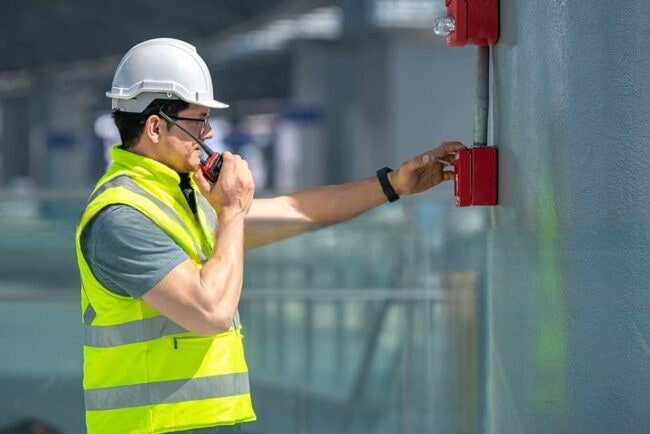
- Familiarity with the building's fire safety attributes, not simply the map. That suggests you understand which stairwell has a tendency to fill with smoke first, which doors get on postponed egress, and which sanctuary locations are feasible if a lift falls short throughout a partial evacuation. A regimen for your initial 90 secs: accumulate your gear, inspect the panel or floor indication, reveal your existence, and start a move of your area in a set pattern. Training should develop that muscle mass memory. Communication technique. Short radio calls with place, condition, and action. As an example, "Level 10 east, heavy smoke at printer space, commencing sweep to north stairway, two PWD at the entrance hall." Judgment to switch over methods. If a typical emptying path is obstructed, you have to pick another, guide people comfortably, and report the modification to the principal warden.
If your training course glosses over any one of these, request for site-based drills. Checking out a strategy instructs recognition, not performance.
The baseline: fire warden requirements in the workplace
Most workplaces document the variety of wardens called for per area, usually utilizing a ratio. Numbers differ by effective warden training programs threat profile. I have seen one warden per 20 personnel in open-plan office floorings, and one per 10 in complicated health care or setting up occupancies. Whatever plan your website adopts, it must be backed by a roster that covers leave, changes, and out-of-hours tenancy. You need to inspect that brand-new hires are added to the ECO, that separations are changed, and that get in touch with lists are current.
Training frequency is one more point of failing. PUAFER005 and PUAFER006 are not one-and-done. Industry method is yearly refresher course training with at the very least 2 evacuation exercises annually, plus targeted drills for after-hours staff. Fire warden training requirements may additionally include method for details risks, like lithium battery fires in warehousing, hot jobs near combustible cladding, or research laboratories with flammable solvents. Link your exercises to your hazards.
What a strong emergency warden course covers
Good programs begin with the emergency situation strategy and finish with drills that feel uncomfortable. Expect to see:
- Site-specific positioning. Where the fire indicator panel is, that can isolate air handling, where hydrants and tube reels sit, and exactly how to report to emergency situation services. Role clarity. PUAFER005 students practice sweeps, assisting persons with a special needs, making use of sanctuary locations, regulating doors, and handling setting up factors. PUAFER006 students technique circumstance command, including transitions from alert to leave and from leave back to investigate. Communication abilities. Everyone techniques radio brevity and hand signals when radios fall short. In a noisy stairwell, hand signals often bring far better than voice. Use both. Human actions in fire. People delay discharge to gather belongings, look for peers to validate what they need to do, and comply with familiar courses also when a more secure course is more detailed. Knowing this helps you expect crowd motion and bottlenecks. Post-incident actions. Headcounts, injury logs, handover to fire solutions, and organized debriefs. Your trustworthiness relies on tidy, timely information.
The particular worth of PUAFER005 training
PUAFER005 operate as component of an emergency control organisation is the foundation. For students, the system clarifies your extent so you quit trying to do whatever and begin doing your job well. That consists of closing doors to deprive a fire of oxygen, directing individuals to the closest secure leave, protecting against re-entry, and reporting accurately.
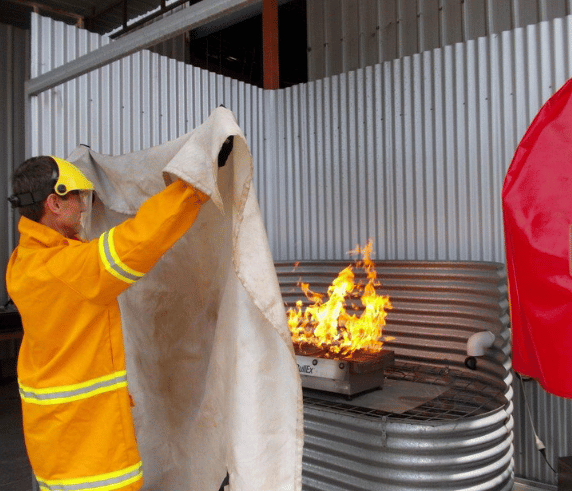
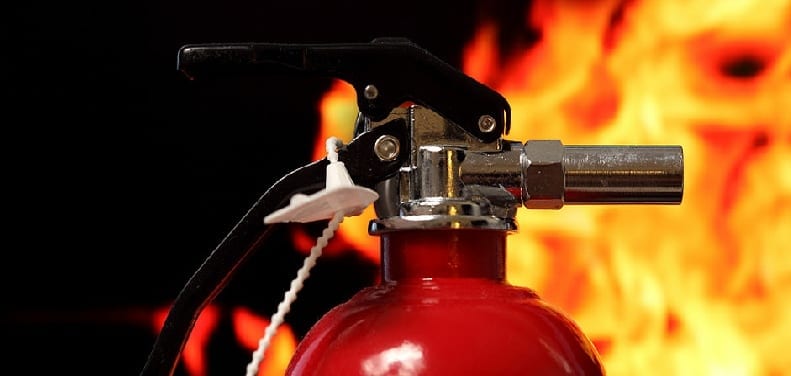
A detail that trainees commonly miss out on: you do not need to understand how to eliminate a fire to be a good warden, but you should understand extinguishers, tube reels, and fire blankets so you do not make a risk worse. For instance, using a water extinguisher on a lithium battery pack or electrical closet can endanger others. A qualified course will certainly show the difference in between separating the location and attempting to extinguish, and the thresholds for each.
The management emphasis in PUAFER006
The PUAFER006 lead an emergency control organisation device prepares you to choose under unpredictability. You will certainly examine partial alarm systems, sensing unit activations, witness records, and visible smoke. You choose between an investigatory reaction, a presented emptying, or a full discharge, knowing that altering direction has expenses. Chief warden responsibilities include assigning wardens to areas, keeping an eye on progress, collaborating with safety and security and building management, and keeping communication lines open with the fire brigade.
One chief fire warden task that obtains ignored is well-being. Discharges create at risk individuals. You have to allot somebody to check those waiting in refuge areas, organise assistance for individuals with impairments or injuries, and maintain order at the assembly factor when weather or stress weakens the team. The very best principal wardens share data transfer: they assign a deputy to run the board and a communications police officer to maintain documents and timestamps.
The safety helmet colour discussion for chief wardens
You will listen to different response to the concern, what colour helmet does a chief warden wear. White stays one of the most usual in Australia, consisting of for primary fire wardens throughout offices, industrial websites, and health care. Some websites include a noticeable "Chief Warden" label or a contrasting band for rapid identification. Uniformity within the website matters more than national harmony. The practice that works best is combining the chief warden hat colour with a vest that repeats the duty title front and back. Presence conserves secs, and seconds matter.
Practical devices you actually use
The toolkit for wardens is simple, portable, and durable. Radios that your entire ECO recognizes how to run. A lantern with fresh batteries. A whistle for when alarms hush your voice. Door wedges or tape utilized carefully to take care of circulation without compromising fire doors. A published list of owners or access to an electronic roll. High-visibility hat or vest that matches your function. If your structure utilizes individual emergency discharge prepare for certain passengers, carry the summary.
I have seen wardens stuck at the setting up factor with a dead radio and no roster. That is preventable. Your emergency warden course should cover tools checks and set a pre-shift regimen where a person validates radios, spares, and the get in touch with list.
Special circumstances that should have practice
Not every emergency is a single-storey office emptying on a sunny day. Strategy and train for:
- After-hours or low tenancy events, where one warden might be responsible for multiple floors. Construction phases, when exits change and short-term fire doors show up. Wardens should know the current strategy, not last month's. Mobility and wellness requirements. Lifts stay out-of-bounds in many fire situations. Experimenting emptying chairs or sanctuary rooms reduces improvisated, dangerous choices. Shelter in position, particularly for gas leakages, outside risks, or air high quality threats. Not every alarm indicates movement. A solid chief warden course will perform at least one shelter scenario. Concurrent events, such as a small fire on one level and a medical emergency situation at the setting up factor. The chief warden duty splits focus. Without a replacement, this becomes difficult to manage.
Evidence-based training defeats checkbox training
People remember what they do, not what they listened to. Fire warden courses that count on lectures alone will not build efficiency. Try to find companies who run online drills, utilize smoke devices or simulated alarm systems, examination radio discipline, and produce debrief notes with clear actions. A reliable warden course will certainly refer to your emergency plan and upgrade it when drills disclose voids. If a drill reveals your assembly point is downwind of a most likely smoke path, change it and orient the ECO.
Fire warden course assessment that feels real
Assessment for PUAFER005 and PUAFER006 need to consist of performance in practical situations, not only quizzes. You need to be examined on how you move a location, how you control leaves and interact, and exactly how you take care of curveballs. Assessors will typically see whether you check risky spaces like washrooms and storage, whether you handle stragglers, and whether your handover to the chief warden consists of important details.
On the management side, a chief warden assessment should measure just how you develop a common operating picture: what you recognize, what you presume, and what you still require to confirm. It needs to check your ability to designate tasks, rise to emergency situation solutions, maintain safety and security for wardens, and manage the change from emergency to recovery.
The lawful and insurance policy layer
While training has to do with efficiency, there is a conformity background. Numerous insurance companies look for evidence of routine emergency warden training, evacuation exercises, and documented debriefs. Some territories call for training puafer005 emergency control organisation roles at defined periods, specifically for high-occupancy or high-risk sites. Your warden training aids show that your office has proficient persons in control, which can lower responsibility and enhance your position if an occurrence is examined. Keep documents: participation sheets, circumstance describes, timings, and pictures of assembly points include integrity to your documentation.
Workplace culture makes or breaks the ECO
Even the best-trained wardens fall short if the culture deals with alarms as background sound. Leaders must back wardens, not override them. If a chief warden orders an emptying, administration has to design compliance. If your office has regular false alarms, do not allow cynicism take hold. Use those events to practice, evaluate what must have happened, and refine your procedure. A society that appreciates wardens conserves time during actual emergencies.
I collaborated with a site where the chief emergency warden wore a white vest, not a hat, and carried a laminated card with choice prompts. They were understood to staff and valued. Their discharges were silent, quick, and constantly documented. The difference was not gear. It was rep, clear authority, and trust.
The training course that remains current
New wardens start with PUAFER005. Those stepping into leadership take the PUAFER006 course. Past that, go for refreshers each year, with extra drills after any kind of plan adjustment, improvement, or significant staff turn over. If your website has risen risks, include targeted components: battery storage fires, chemical spills, or group movement dynamics for public events.
Chief warden training need to include prepared handovers to deputies, that can run a case if the principal is offsite. The very best groups cross-train, so a communications policeman can enter replacement duties if required.
Your pre-course checklist
Use this fast list to prepare and select well:
- Confirm the course maps to PUAFER005 or PUAFER006 as proper, and recommendations AS 3745 in a manner that fits your site. Ask about circumstances and analysis. Look for real-time drills, duty play, and debriefs that produce created actions. Ensure site specifics are consisted of: emptying diagrams, stairwell areas, sanctuary locations, setting up points, and high-risk rooms. Check fitness instructor credentials and industry experience, not just their ability to deliver content. Verify post-course assistance. Excellent suppliers use refresher options, design templates for emergency situation plans, and support on exercises.
What great resemble on the day of the alarm
You hear the tone and your body actions before your mind catches up. You gather your radio and hat, you recognize yourself, and you head to your field. You follow your collection pattern, eyes scanning for stragglers, you close doors behind you to limit smoke spread, and you herd the group steadly to the chosen exit. At the assembly area you count heads, log information, and report to the chief warden. If the chief requires a second relocation because of wind change, you move the team and keep them together. When the fire brigade gets here, you give a succinct upgrade and stand by for re-entry instructions.
On the management side, you inspect the panel, introduce that you are in command, validate channels, and designate wardens. You make a call on evacuation type based on the details you have, and you readjust as reports come in. You collaborate the communications policeman to log occasions and times. You communicate with emergency situation solutions with a tidy recap: place, type of danger, status of evacuation, any missing out on individuals, any flexibility or clinical concerns. After the event, you debrief, upgrade your strategy, and schedule a refresher course drill based upon what you learned.
Frequently asked concerns that matter throughout training
- Can a warden stop someone from re-entering? You can and should, utilizing clear directions and, if required, support from security or management. You do not literally limit, but you insist authority backed by the emergency situation plan. Are lifts ever before made use of throughout a discharge? For fire occasions, usually no, unless your building has an emptying lift created for that function and your strategy authorizes its use by trained personnel. For other emergencies, the plan might permit lifts. Training must make the distinctions explicit. How loud should a warden be? Loud enough to be heard without screaming yourself hoarse. Short commands function. Repeating helps. Radios and whistles supplement your voice. How do we manage visitors and professionals? Your strategy must include site visitor logs at function, short-term passes, and a procedure for wardens to move conference room and facilities. Appoint somebody at the setting up area to accumulate and verify site visitor counts. What if the warden is offsite? Usage replacements and a protection lineup. At multi-tenant websites, work with structure monitoring to ensure there is constantly a chief warden or deputy available.
Pulling it together: from course to competence
Courses like the PUAFER005 course for wardens and the PUAFER006 course for primary wardens are the scaffolding. Real skills comes from rep, local knowledge, and a group that counts on the procedure. If you are picking a warden course, look past the brochure to the circumstances and the instructor's experience. If you are preparing to go to, learn your structure, walk your leaves, and ask to sign up with the next drill also before your course. Understanding that sits in your head assists. Expertise that beings in your legs and hands assists more.
A well-run emergency warden program maintains people tranquil when alarm systems cut through the workday. Whether you use a yellow hat as a fire warden or the white headgear of a chief warden, your choices influence dozens or numerous people. Train like that issues, because it does.
Take your leadership in workplace safety to the next level with the nationally recognised PUAFER006 Chief Warden Training. Designed for Chief and Deputy Fire Wardens, this face-to-face 3-hour course teaches critical skills: coordinating evacuations, leading a warden team, making decisions under pressure, and liaising with emergency services. Course cost is generally AUD $130 per person for public sessions. Held in multiple locations including Brisbane CBD (Queen Street), North Hobart, Adelaide, and more across Queensland such as Gold Coast, Sunshine Coast, Toowoomba, Cairns, Ipswich, Logan, Chermside, etc.
If you’ve been appointed as a Chief or Deputy Fire Warden at your workplace, the PUAFER006 – Chief Warden Training is designed to give you the confidence and skills to take charge when it matters most. This nationally accredited course goes beyond the basics of emergency response, teaching you how to coordinate evacuations, lead and direct your warden team, make quick decisions under pressure, and effectively communicate with emergency services. Delivered face-to-face in just 3 hours, the training is practical, engaging, and focused on real-world workplace scenarios. You’ll walk away knowing exactly what to do when an emergency unfolds—and you’ll receive your certificate the same day you complete the course. With training available across Australia—including Brisbane CBD (Queen Street), North Hobart, Adelaide, Gold Coast, Sunshine Coast, Toowoomba, Cairns, Ipswich, Logan, Chermside and more—it’s easy to find a location near you. At just $130 per person, this course is an affordable way to make sure your workplace is compliant with safety requirements while also giving you peace of mind that you can step up and lead when it counts.